⚛️ AI Breakthroughs | Revolutionising Material Science
Exploring the transformative impact of AI on material discovery and its burgeoning investment opportunities.

Dear Esteemed Investors, Founders & Partners,
AI is revolutionizing material science, offering unprecedented opportunities for investors.
By accelerating the discovery and development of new materials, AI is paving the way for innovations that can transform industries and promote sustainability.
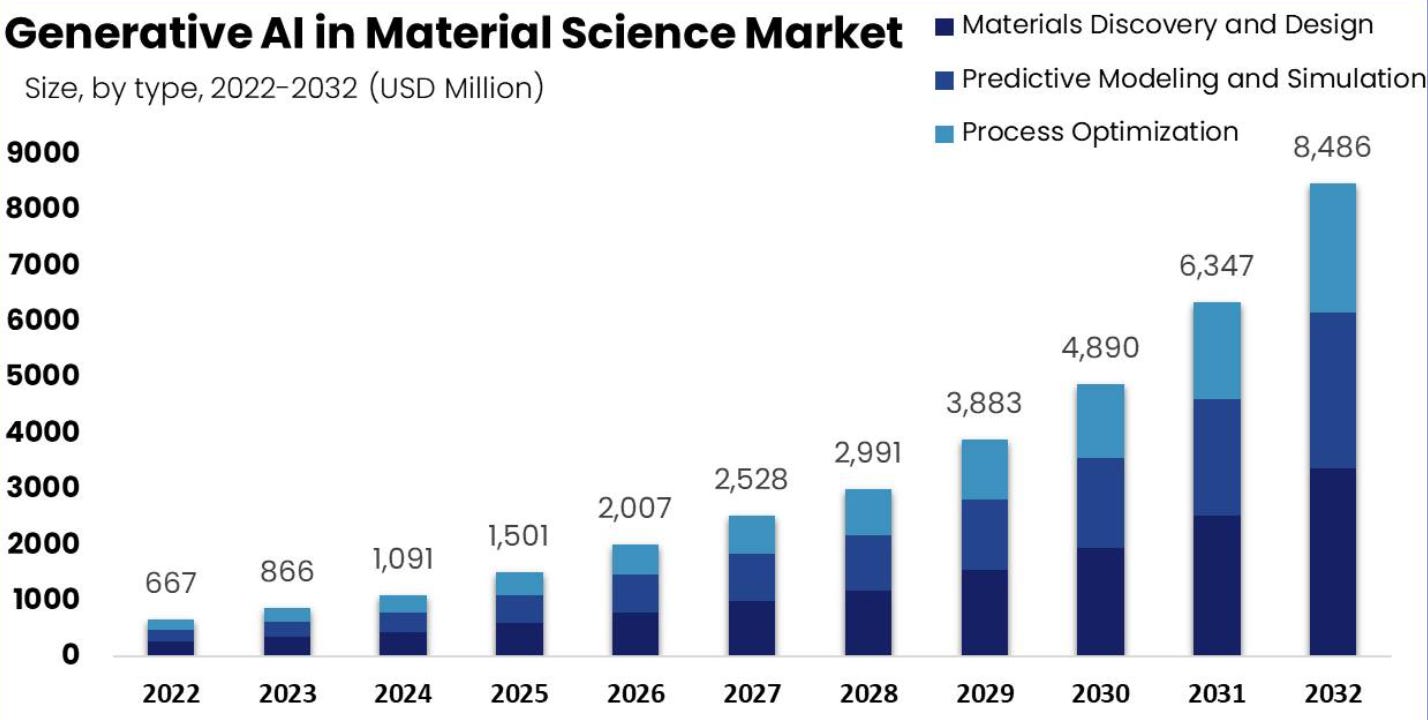
The market for AI in material discovery is rapidly expanding, with projections indicating a compound annual growth rate (CAGR) of over 35%, expected to reach billions in the coming years as demand for sustainable and advanced materials increases across various sectors.
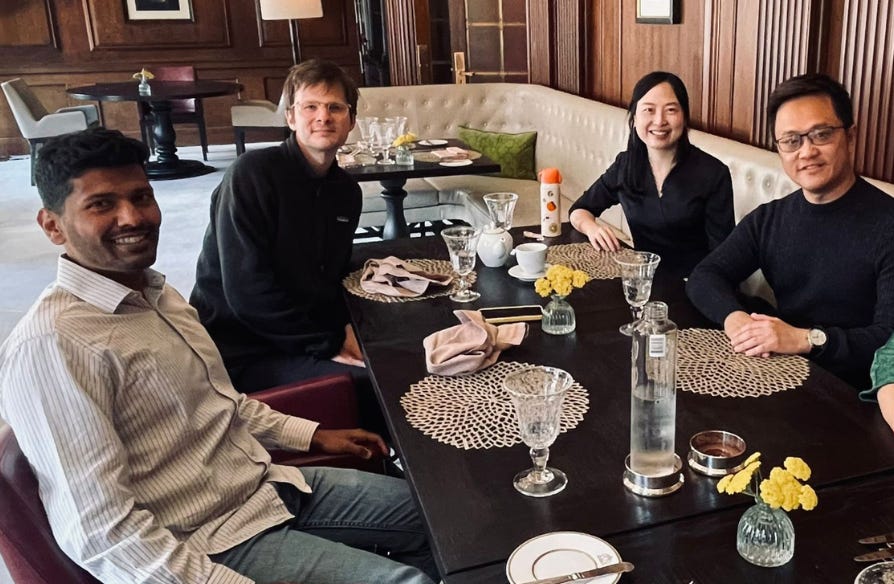
Left to Right. 1/ Dr. Amar Shah. Co-Founder of Wayve (Ex Goldman Sachs & NASA) 2/ Jonathan Godwin. CEO of Orbital Materials. (Ex Deepmind) 3/ Joy Wan. CEO of BestSign. (Ex Apple) 4/ Stanley Chan. Founding GP of Kalea Ventures. (Ex UBS & Templeton)
Our team has been closely monitoring AI's impact on material discovery, engaging with pioneers like Charm Therapeutics, Orbital Materials, and DeepMind etc.
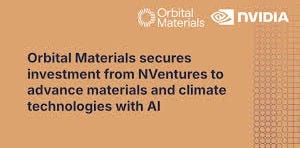
Notably, Orbital Materials, led by visionary founder Jonathan Godwin, recently secured investment from NVIDIA's venture capital arm, NVentures. This partnership aims to advance AI-driven development of advanced materials and climate technologies.
A significant catalyst for AI in materials science has been DeepMind's AlphaFold, which revolutionized drug discovery by accurately predicting protein structures and opening avenues for AI-based material applications.Its breakthroughs in protein folding not only advanced drug discovery but highlighted AI's potential in material science and other scientific domains.
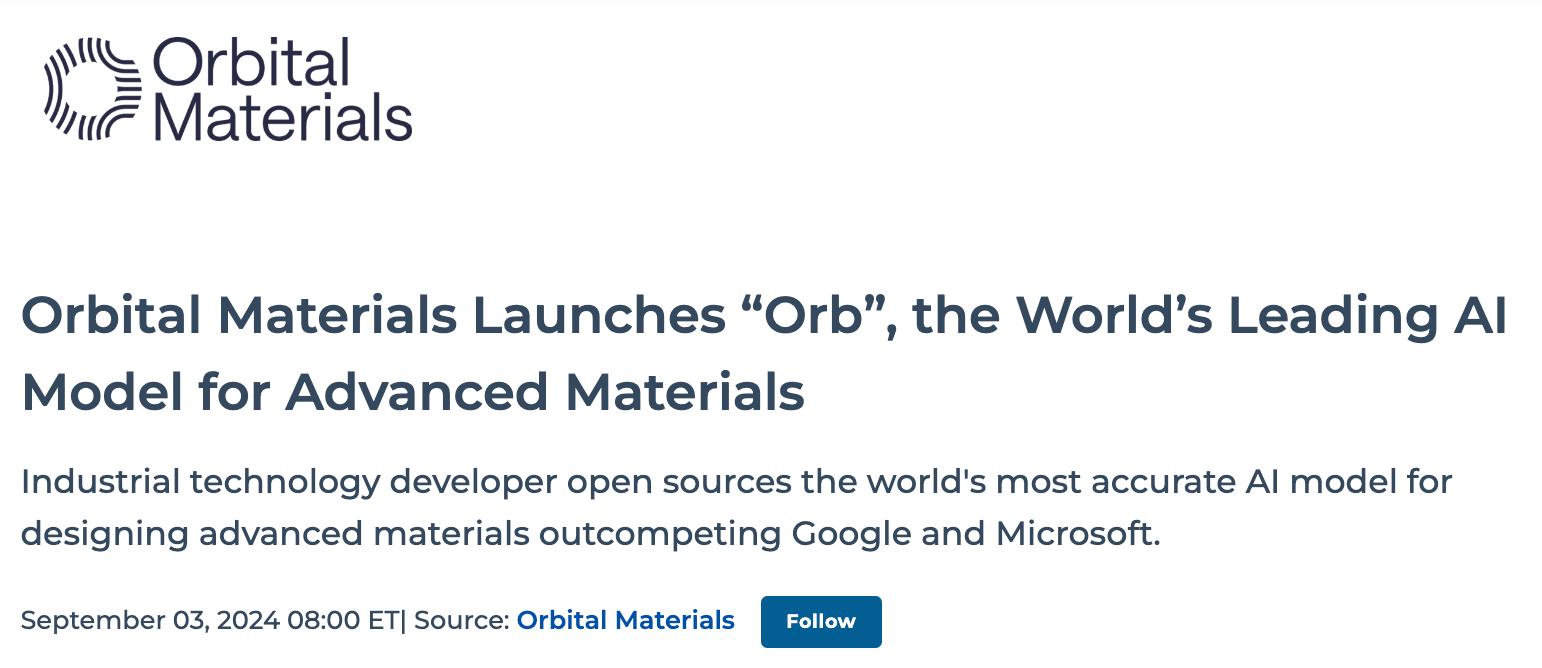
The importance of new materials cannot be overstated.
Historically, materials like titanium transformed industries by reducing weight while enhancing strength. Today, AI is poised to discover materials that can make the world greener and more cost-effective.
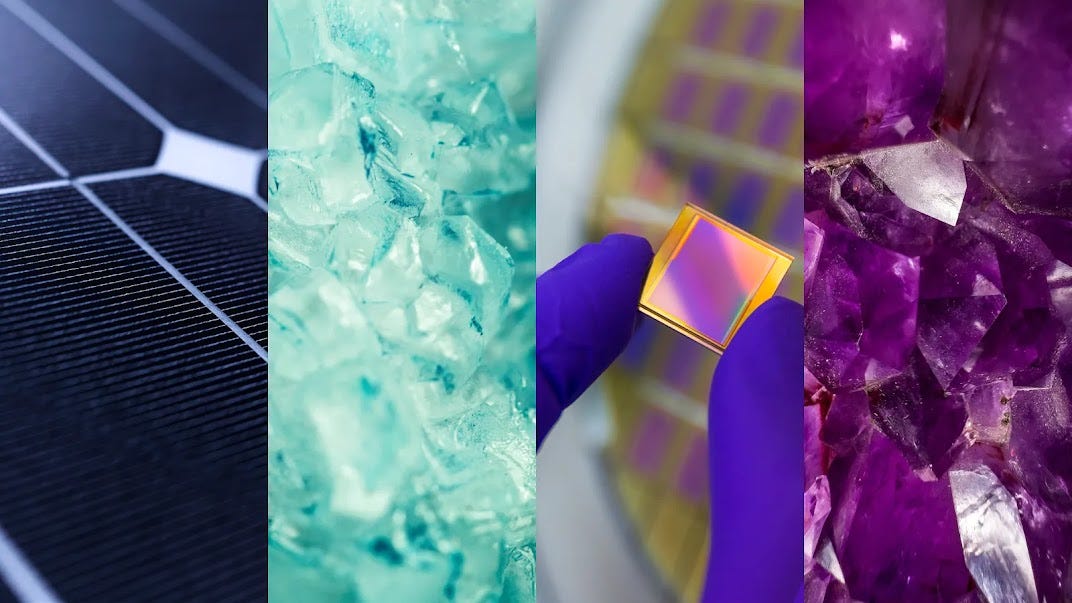
AI is significantly accelerating the discovery of new drugs and materials.
In drug development, AI has reduced the discovery and preclinical stages from the traditional 5–8 years to just 30 months, as demonstrated by Insilico Medicine's AI-designed drug candidate for idiopathic pulmonary fibrosis.
Similarly, in materials science, AI tools like DeepMind's Graph Networks for Materials Exploration (GNoME) have discovered 2.2 million new crystals, including 380,000 stable materials, a feat equivalent to nearly 800 years of traditional research.
These advancements highlight AI's transformative impact on expediting scientific discovery processes.
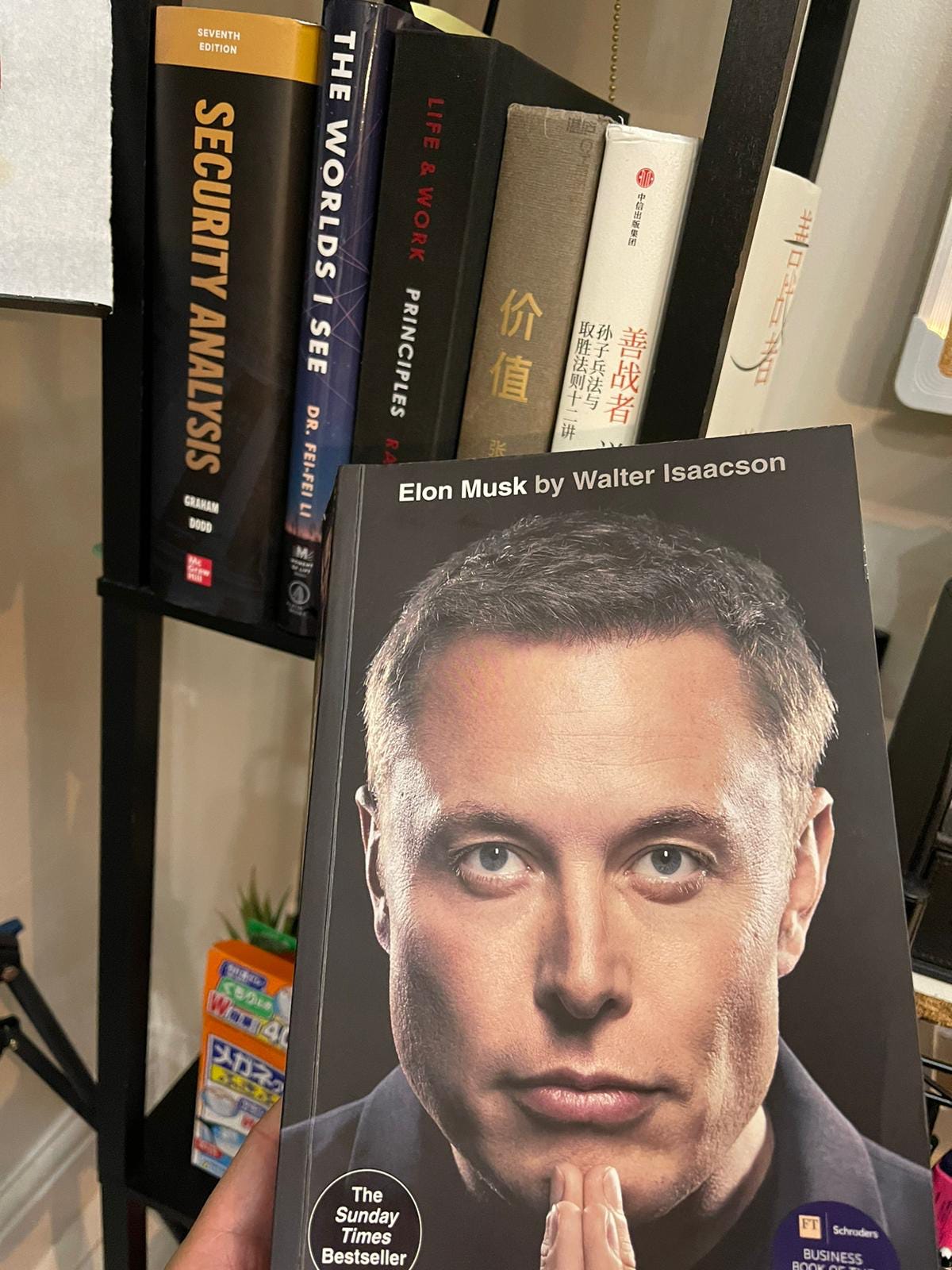
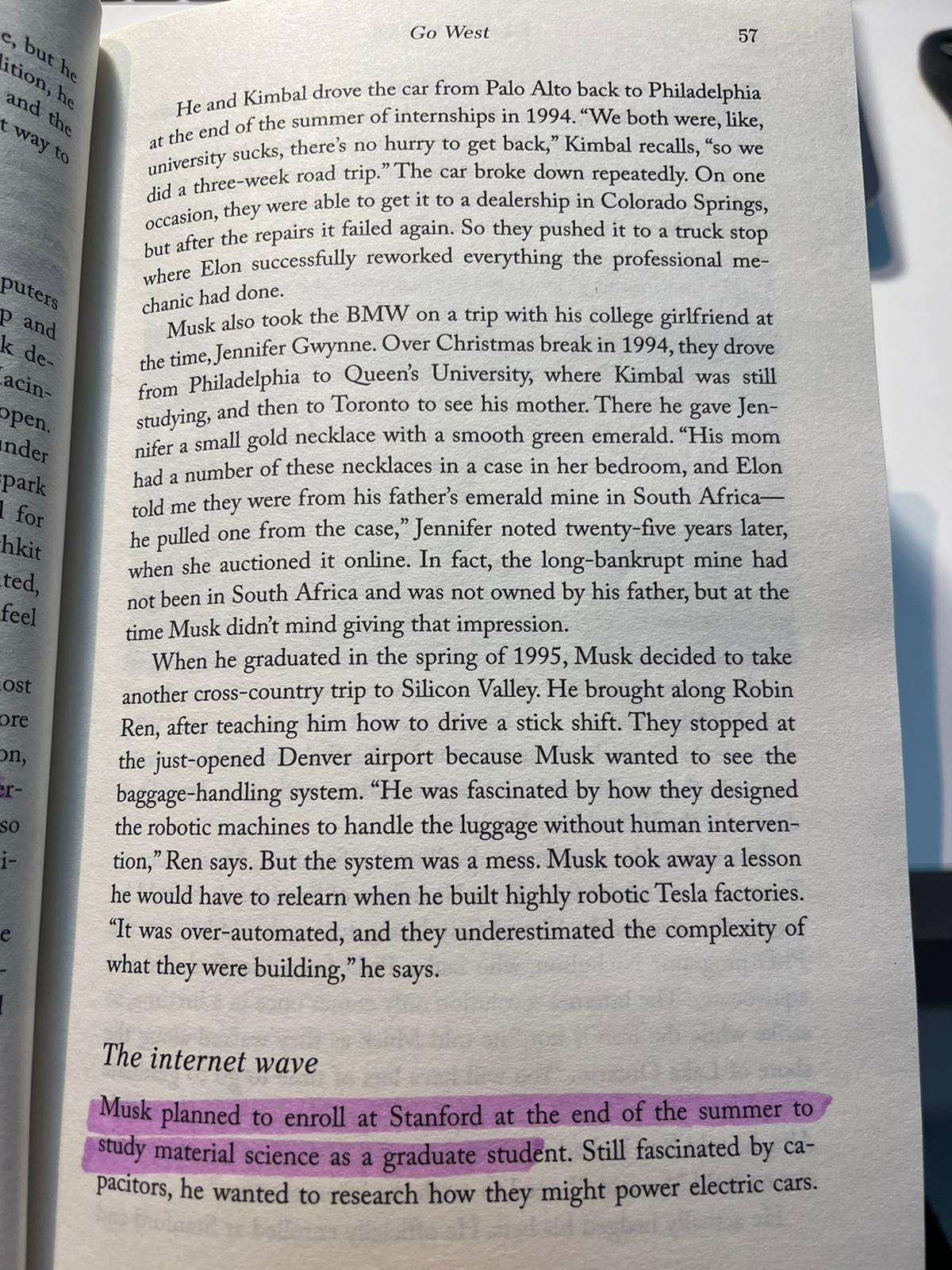
Adding an interesting twist, Elon Musk’s academic background includes studies in material science at Stanford, adding to his foundation in physics and business.
This foundation underscores how material science is critical to technological innovation.
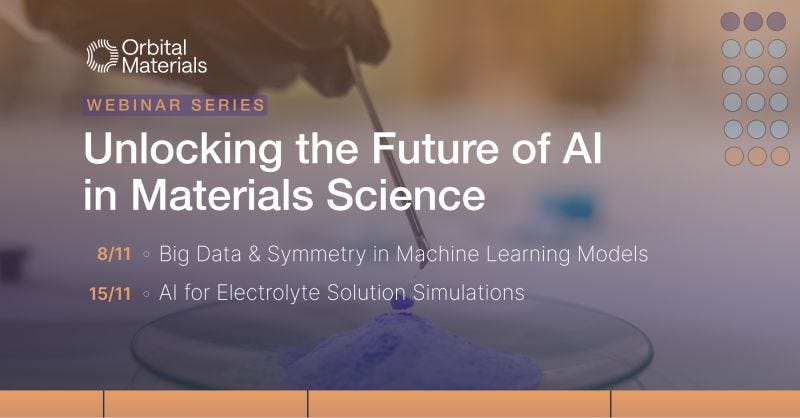
ICYMI: Orbital Materials is hosting a webinar series featuring an exciting lineup of experts on the future of AI in materials science. If you're interested in exploring this burgeoning field, don't miss these sessions:
8th November - Big Data and Symmetry in Machine Learning Models
Hosted by Marcel Langer and Jonathan Schmidt at 3 p.m. GMT / 10 a.m. ET.
Secure your spot here:
15th November - AI for Electrolyte Solution Simulations
Hosted by Timothy Duignan at 2 p.m. GMT / 9 a.m. ET.
Register here:
Investing is about identifying emerging opportunities, and AI in material discovery is an exciting field poised for massive growth.
We’ll be closely following this space and encourage investors to consider the transformative potential AI holds for material science.